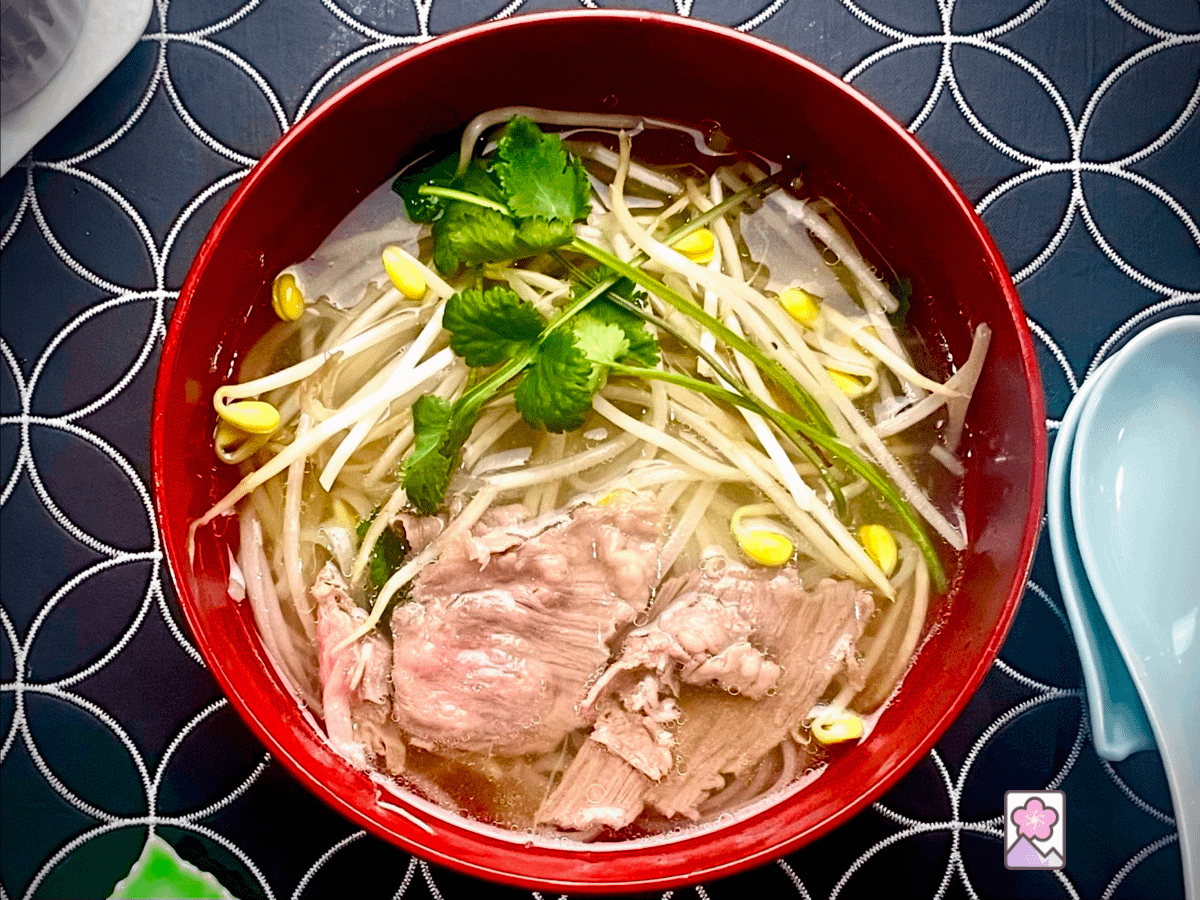
Vietnamese Pho Noodle Soup
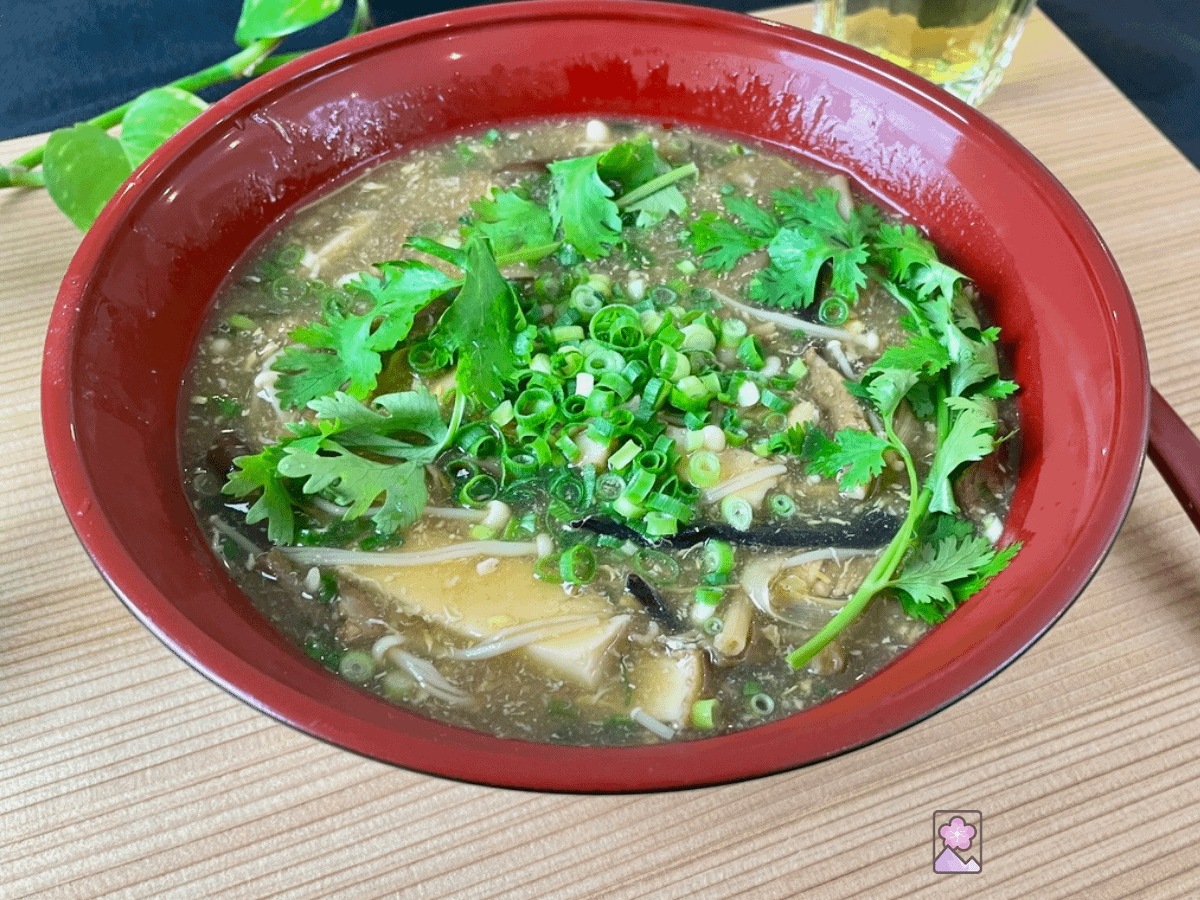
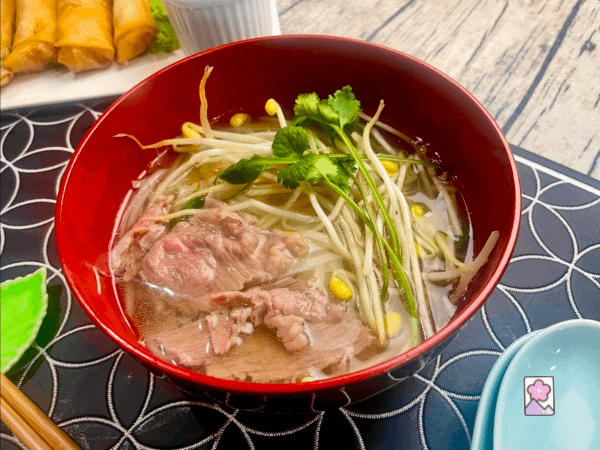
Pho has become one 0f my go-to comfort foods. The rich broth and fresh herbs create a perfect harmony of flavors that always leaves everyone at home satisfied.
Discovering the Rich Legacy of Vietnamese Pho Noodle Soup
Vietnamese cuisine is a vibrant tapestry of flavors, textures, and aromas, deeply rooted in the country’s history and culture. Among its most celebrated dishes is Pho (pronounced “fuh”), a fragrant noodle soup that has captured the hearts and palates of food lovers around the globe. With its rich broth, tender noodles, and an array of fresh toppings, Pho represents more than just a meal; it embodies the spirit of Vietnam, reflecting its agricultural heritage and culinary traditions.
The origins of Pho can be traced back to the early 20th century in northern Vietnam, particularly in Hanoi. While the exact history remains a topic of debate among food historians, it is widely believed that Pho evolved from French colonial influences, combining local ingredients with French culinary techniques. The word “Pho” itself is derived from the French word “pot au feu,” which means “pot on the fire.” This connection highlights how Vietnam’s history of colonization has shaped its culinary landscape, merging flavors and practices from different cultures.
Traditionally, Pho is made with beef or chicken broth, flavored with a harmonious blend of spices and served with rice noodles known as bánh phở. The dish is often topped with an array of fresh herbs, bean sprouts, lime wedges, and thinly sliced meat, allowing each diner to customize their bowl to their liking. This interactive element adds to the charm of Pho, making it not just a meal but a communal experience.
Pho’s popularity has surged in recent years, transcending its humble beginnings to become a beloved dish worldwide. Major cities across the globe now boast Pho restaurants, each offering their unique twist on the classic recipe. This rise in popularity can be attributed to several factors, including the increasing interest in Asian cuisine, a growing appreciation for healthy eating, and the dish’s comforting nature. As more people seek out authentic culinary experiences, Pho has established itself as a staple in the international food scene.
One of the reasons Pho is so appealing is its versatility. While the classic version includes beef and a fragrant broth, variations abound. Vegetarian and vegan options have emerged, utilizing rich vegetable broths and plant-based proteins to cater to diverse dietary preferences. Some regions in Vietnam even serve Pho with chicken (Pho Ga) or seafood, showcasing the adaptability of this beloved dish. Furthermore, the toppings can vary widely, with some diners opting for jalapeños and hoisin sauce, while others may prefer a simple garnish of herbs.
The ingredients used in Pho play a pivotal role in defining its flavor profile. The broth, often simmered for hours, is the heart of the dish. It is typically made from beef bones, which impart a deep, rich flavor, and is enhanced with aromatic spices such as star anise, cinnamon, and cloves. These spices not only contribute to the soup’s distinctive aroma but also reflect the historical trade routes that introduced these flavors to Vietnam. The rice noodles, with their chewy texture, serve as the perfect vessel for soaking up the flavorful broth.
While many enjoy Pho as a warming breakfast or a comforting dinner, its versatility allows it to be enjoyed at any time of day. The communal aspect of sharing a pot of Pho with family and friends adds to the dish’s appeal, making it a popular choice for gatherings and celebrations.
Pho is more than just a noodle soup; it is a culinary representation of Vietnam’s rich history and culture. Its journey from the streets of Hanoi to the tables of food enthusiasts worldwide underscores its universal appeal. With countless variations and interpretations, Pho invites everyone to explore the diverse flavors of Vietnamese cuisine. Whether you are savoring a traditional bowl or trying a modern twist, Pho promises an unforgettable dining experience that will transport your taste buds to the heart of Vietnam. So grab your chopsticks and prepare to dive into this delicious and aromatic world of flavors!
Vietnamese Pho Noodle Soup
To prepare a delicious bowl of Vietnamese Pho Noodle Soup, start by crafting a rich broth using beef bones, onion, ginger, and an array of aromatic spices, simmering it for several hours to develop deep flavors. While the broth is cooking, prepare the rice noodles according to package instructions. Once the broth is ready, strain it to remove solids and return the clear liquid to the pot. In serving bowls, place a portion of the cooked noodles and top with thinly sliced raw beef, then ladle the hot broth over the noodles to cook the meat. Finally, garnish with fresh herbs, bean sprouts, and lime wedges for a burst of flavor and freshness, creating a comforting and satisfying meal that embodies the essence of Vietnamese cuisine.
 PREP PREP |  COOKING COOKING |  YIELD YIELD |
| 20 mins | 4-6 hours | Serves 6 |
| PREP | 20 mins |
| COOKING | 4-6 hours |
| YIELD | Serves 6 |
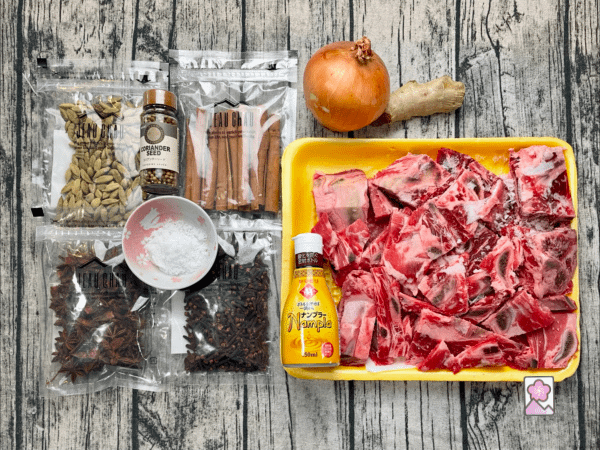
For the Broth:
- 4 lbs beef bones (preferably marrow bones and oxtail)
- 1 onion, halved
- 1 piece of ginger (about 4 inches), halved
- 3 star anise
- 4 cloves
- 3 cardamom pods
- 1 cinnamon stick
- 1 tablespoon coriander seeds
- 1 tablespoon salt
- 2 tablespoons fish sauce
- Water (enough to cover the bones)
For the Noodles and Toppings:
- 1 lb rice noodles (bánh phở)
- 1 lb beef (sirloin or brisket), thinly sliced
- Lime wedges
- Bean sprouts
- Fresh Herbs (Cilantro, Basil, Mint)
Instructions:
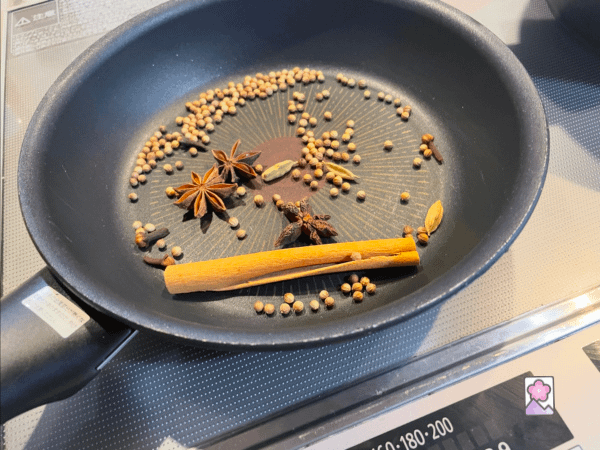
1. ** Prepare the aromatics**
– Char the onion and ginger in a broiler or in a sauté pot. – Heat the coriander seeds, cinnamon, clovers and cardamom in a sauce pan over low heat for a couple of minutes-lemon minutes to release the oils.
2. **Prepare the Broth:**
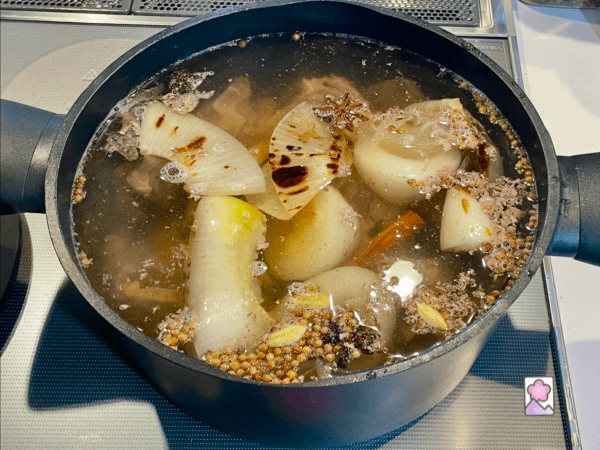
– In a large pot, add the beef bones and cover with water. Bring to a boil and let it boil for 10 minutes. This helps to remove impurities. Drain and rinse the bones.
– Return the bones to the pot, add the onion, ginger, star anise, cloves, cardamom, cinnamon, coriander seeds, salt, and fish sauce. Cover with water and bring to a boil.
– Reduce the heat to low and simmer for at least 4 hours (the longer, the better). Skim off any scum that rises to the surface.
3. **Cook the Noodles:**
– While the broth is simmering, prepare the rice noodles according to package instructions. Drain and set aside.
4. **Assemble the Pho:**
– Strain the broth to remove the solids, then return the clear broth to the pot and keep warm.
– In serving bowls, place a portion of the cooked rice noodles. Top with raw sliced beef.
– Ladle the hot broth over the noodles and beef to cook the meat.
– Garnish with fresh herbs, bean sprouts, and lime wedges.
5. **Serve and Enjoy your homemade pho!**
Notes:
- **Rich Flavor**: Pho features a deeply aromatic broth simmered for hours with beef bones and spices, creating a complex flavor profile.
- **Versatile Ingredients**: The dish can be customized with various toppings, including fresh herbs, bean sprouts, and lime wedges, catering to personal preferences.
- **Cultural Significance**: Pho is not just a meal; it represents Vietnamese culinary heritage and is often enjoyed during family gatherings and celebrations.
- **Variations Available**: While traditionally made with beef, Pho can also be prepared with chicken or vegetarian options to suit different dietary needs.
- **Global Popularity**: Pho has gained international acclaim, becoming a staple in Vietnamese restaurants around the world, appreciated for its comforting and satisfying qualities.